Hearing
TESTS
Hearing
TESTS
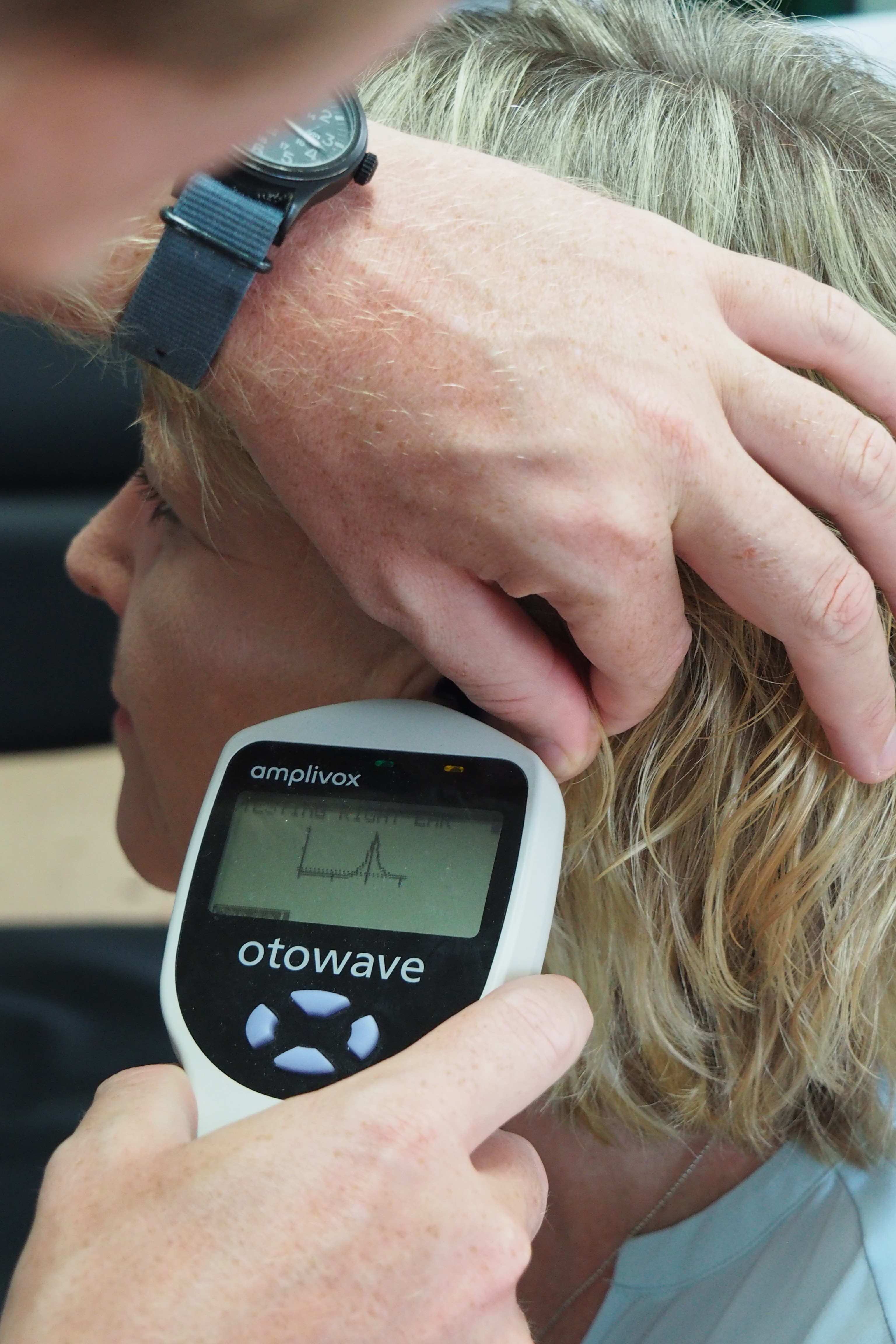
Book a hearing test at Tranquil Hearing Care in Hoddesdon today. Our expert team uses cutting-edge techniques like Pure Tone Audiometry (PTA), Tympanometry, and Auditory Processing Disorder (APD) testing to provide personalised solutions tailored to your unique hearing needs.
Book a hearing test at Tranquil Hearing Care in Hoddesdon today. Our expert team uses cutting-edge techniques like Pure Tone Audiometry (PTA), Tympanometry, and Auditory Processing Disorder (APD) testing to provide personalised solutions tailored to your unique hearing needs.
Comprehensive Evaluation for Optimal Hearing Health
Comprehensive Evaluation for Optimal Hearing Health
Hearing loss can manifest in various ways. Our hearing tests provide a thorough evaluation to identify the root cause of your hearing concerns and develop personalised solutions.
Hearing loss can manifest in various ways. Our hearing tests provide a thorough evaluation to identify the root cause of your hearing concerns and develop personalised solutions.
Our Hearing Tests Include:
Our Hearing Tests Include:
Pure Tone Audiometry (PTA): This test measures your hearing thresholds across a range of frequencies, allowing us to pinpoint areas of potential hearing loss.
Tympanometry: This test assesses the health and function of your middle ear, helping to identify issues like earwax build-up or fluid in the middle ear.
Auditory Processing Disorder (APD) Test: We offer testing for APD, a condition that can affect how your brain processes sound. This test is suitable for adults and children experiencing difficulties understanding speech in noisy environments or following conversations.
Pure Tone Audiometry (PTA): This test measures your hearing thresholds across a range of frequencies, allowing us to pinpoint areas of potential hearing loss.
Tympanometry: This test assesses the health and function of your middle ear, helping to identify issues like earwax build-up or fluid in the middle ear.
Auditory Processing Disorder (APD) Test: We offer testing for APD, a condition that can affect how your brain processes sound. This test is suitable for adults and children experiencing difficulties understanding speech in noisy environments or following conversations.
Why Choose a Private Hearing Test in Hoddesdon?
Why Choose a Private Hearing Test in Hoddesdon?
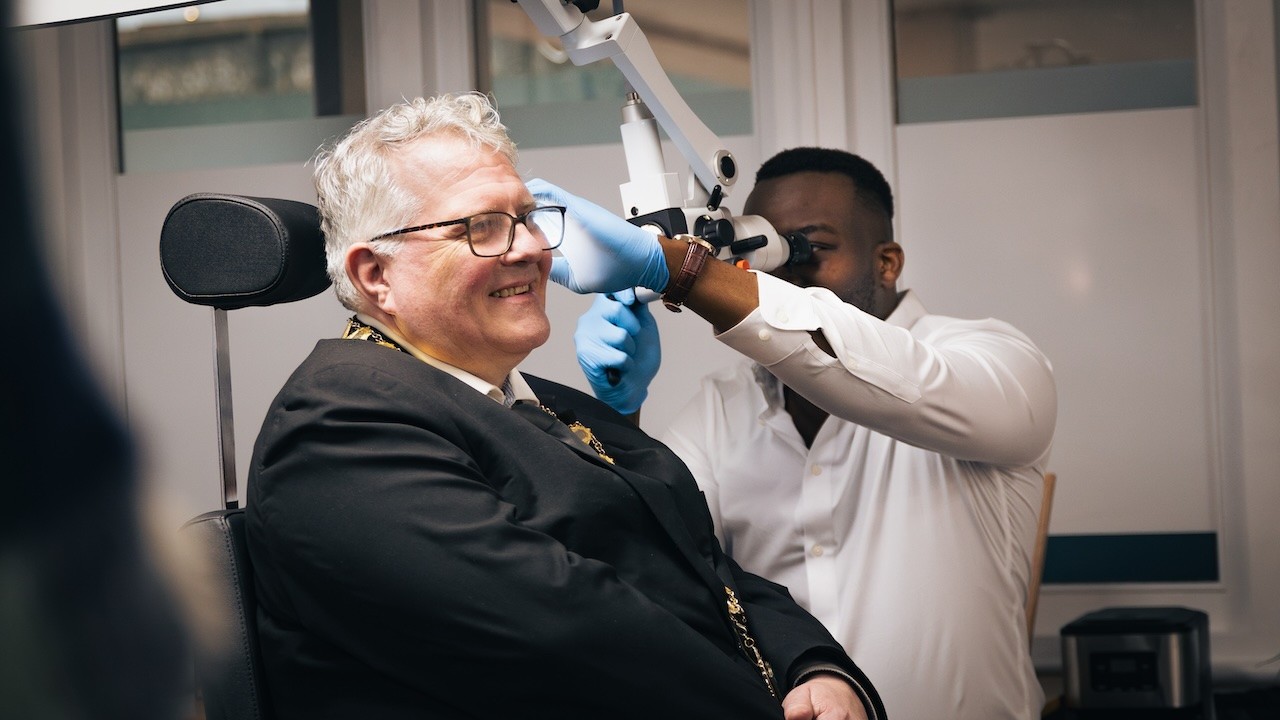
Choosing a private hearing test in Hoddesdon gives you access to a more comprehensive assessment without long waiting times. At Tranquil Hearing Care, appointments are designed to give you the time and attention needed to fully understand your hearing health.
Benefits of a private hearing assessment include:
Prompt appointments at a time that suits you
Comprehensive diagnostic testing, rather than a basic hearing screen
Modern audiology equipment, including Pure Tone Audiometry (PTA), Tympanometry, and Auditory Processing Disorder (APD) testing where appropriate
Personalised recommendations based on your hearing, lifestyle, and communication needs
Ongoing support, including hearing aid demonstrations, fittings, and aftercare if hearing loss is identified
Our goal is not simply to diagnose hearing loss, but to help you understand your hearing and recommend the most appropriate solution for your individual circumstances.
Choosing a private hearing test in Hoddesdon gives you access to a more comprehensive assessment without long waiting times. At Tranquil Hearing Care, appointments are designed to give you the time and attention needed to fully understand your hearing health.
Benefits of a private hearing assessment include:
Prompt appointments at a time that suits you
Comprehensive diagnostic testing, rather than a basic hearing screen
Modern audiology equipment, including Pure Tone Audiometry (PTA), Tympanometry, and Auditory Processing Disorder (APD) testing where appropriate
Personalised recommendations based on your hearing, lifestyle, and communication needs
Ongoing support, including hearing aid demonstrations, fittings, and aftercare if hearing loss is identified
Our goal is not simply to diagnose hearing loss, but to help you understand your hearing and recommend the most appropriate solution for your individual circumstances.
Earwax Removal
What Happens During Your Hearing Test?
Understanding Auditory Processing Disorder
Ear wax blockage is a common issue that can disrupt your hearing and overall ear health. It occurs when the naturally produced wax in the inner ear hardens or becomes impacted, hindering its natural expulsion.
This condition can lead to a variety of uncomfortable symptoms, including ear pain, reduced hearing, vertigo, the risk of infection, and even eardrum perforation.
At our clinic, we specialise in ear wax removal services that prioritise your comfort and safety. Our skilled audiologists utilise microsuction, performed under a microscope, gently removing ear wax using suction. Trust our experts to provide you with a safe and effective solution to your ear wax concerns, restoring your hearing clarity and overall ear health.
All our wax removal appointments include a complimentary hearing screen. This includes tympanometry to test your middle-ear health and Pure Tone Audiometry to assess your hearing thresholds. Your clinician will advise on the best proactive steps to preserve your ear health in the future.
Your appointment begins with a conversation about your hearing health. We'll discuss any symptoms you've noticed, your medical history, your work and hobbies, and situations where hearing has become more difficult.
Next, your audiologist will examine your ears before carrying out the most appropriate diagnostic tests for your needs. These may include:
Pure Tone Audiometry (PTA)
Tympanometry
Auditory Processing Disorder (APD) testing
Speech understanding assessments
Once testing is complete, your audiologist will explain your results in clear, easy-to-understand language. If hearing loss is identified, you'll receive personalised recommendations, which may include hearing aids, hearing protection, tinnitus management, or referral for further medical investigation where appropriate.
If hearing aids are recommended, you'll also have the opportunity to try different models during your appointment so you can experience the benefits before making a decision.
Auditory Processing Disorder (APD) is a condition where the brain struggles to process and interpret sounds correctly, despite normal hearing ability. Individuals with APD may hear sounds clearly, but their brain has difficulty making sense of the information, especially in environments with background noise or when multiple speakers are involved. This can lead to challenges in understanding spoken language, following instructions, or distinguishing between similar sounds.
In children, APD often manifests as difficulty in school, where they may seem inattentive, have trouble following verbal instructions, or struggle with reading and spelling. These difficulties can sometimes be mistaken for learning disabilities or attention disorders, but APD specifically relates to how the brain processes auditory information. Early diagnosis and intervention are crucial in helping children develop coping strategies and improve their auditory processing skills.
Adults with APD may experience challenges in social settings or at work, where following conversations or instructions can become overwhelming, particularly in noisy environments. Some adults may have had the disorder since childhood but were never diagnosed, while others can develop APD later in life due to brain injuries, ageing, or neurological conditions. With proper testing and tailored strategies, individuals with APD can improve their ability to process auditory information.

What Happens During Your Hearing Test?
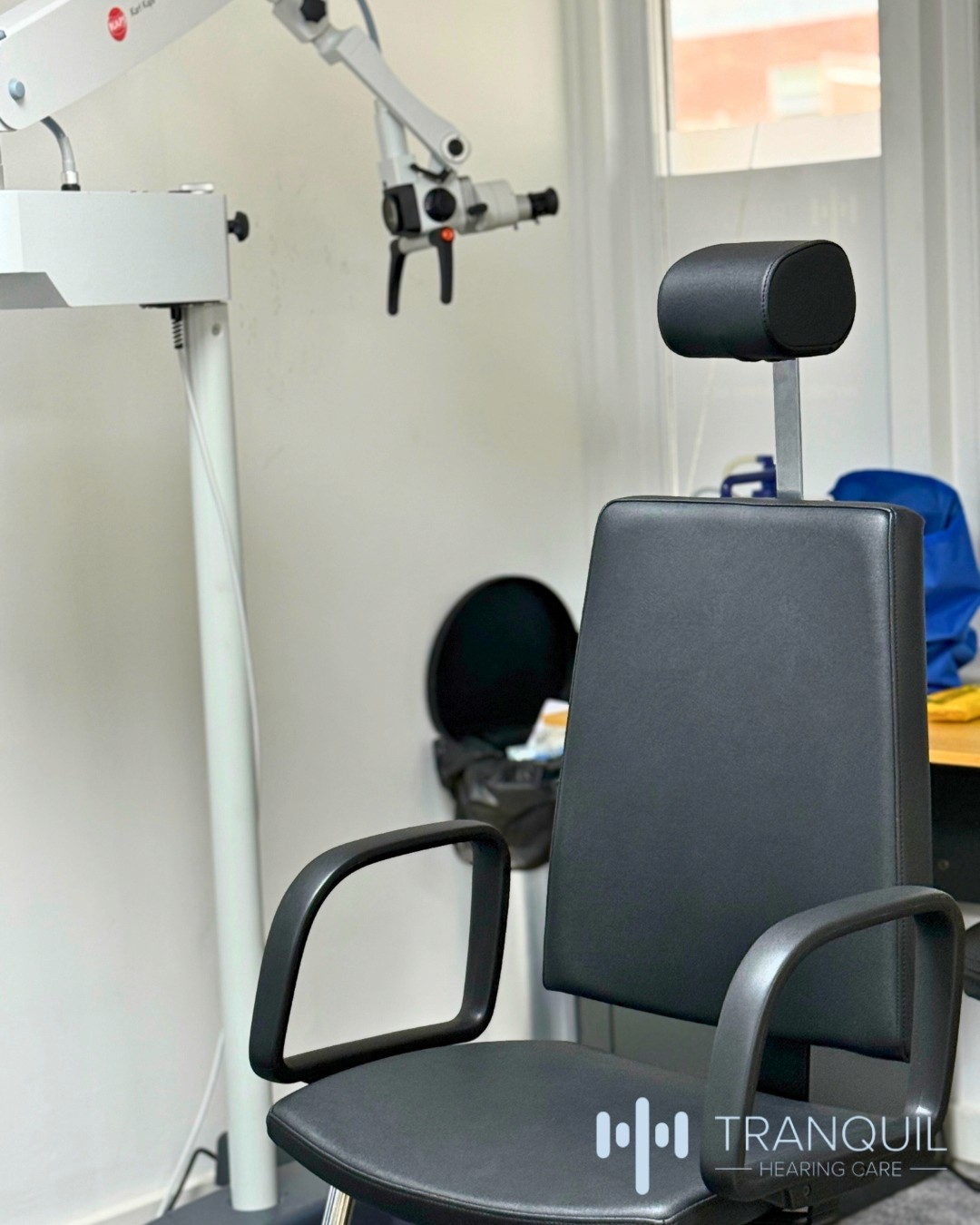
Your appointment begins with a conversation about your hearing health. We'll discuss any symptoms you've noticed, your medical history, your work and hobbies, and situations where hearing has become more difficult.
Next, your audiologist will examine your ears before carrying out the most appropriate diagnostic tests for your needs. These may include:
Pure Tone Audiometry (PTA)
Tympanometry
Auditory Processing Disorder (APD) testing
Speech understanding assessments
Once testing is complete, your audiologist will explain your results in clear, easy-to-understand language. If hearing loss is identified, you'll receive personalised recommendations, which may include hearing aids, hearing protection, tinnitus management, or referral for further medical investigation where appropriate.
If hearing aids are recommended, you'll also have the opportunity to try different models during your appointment so you can experience the benefits before making a decision.
What Happens During Your Hearing Test?
Your appointment begins with a conversation about your hearing health. We'll discuss any symptoms you've noticed, your medical history, your work and hobbies, and situations where hearing has become more difficult.
Next, your audiologist will examine your ears before carrying out the most appropriate diagnostic tests for your needs. These may include:
Pure Tone Audiometry (PTA)
Tympanometry
Auditory Processing Disorder (APD) testing
Speech understanding assessments
Once testing is complete, your audiologist will explain your results in clear, easy-to-understand language. If hearing loss is identified, you'll receive personalised recommendations, which may include hearing aids, hearing protection, tinnitus management, or referral for further medical investigation where appropriate.
If hearing aids are recommended, you'll also have the opportunity to try different models during your appointment so you can experience the benefits before making a decision.
Personalised Treatment Plans
An advanced hearing test at Tranquil Hearing Care provides the most accurate insights into your auditory health. Our assessments go beyond standard or free hearing tests, using state-of-the-art diagnostic techniques to identify even subtle issues, allowing for early intervention and personalised treatment plans that address your unique hearing challenges.
Benefits of Advanced Hearing Tests:
Accurate Diagnosis: Advanced testing provides a precise picture of your hearing health, enabling us to recommend the most effective treatment options.
Early Intervention: Early detection of hearing conditions allows for prompt intervention, potentially minimising its impact on your daily life.
Personalised Care: Based on your assessment results, we tailor a treatment plan that caters to your specific needs and preferences.

Types of Hearing Loss
Conductive Hearing Loss
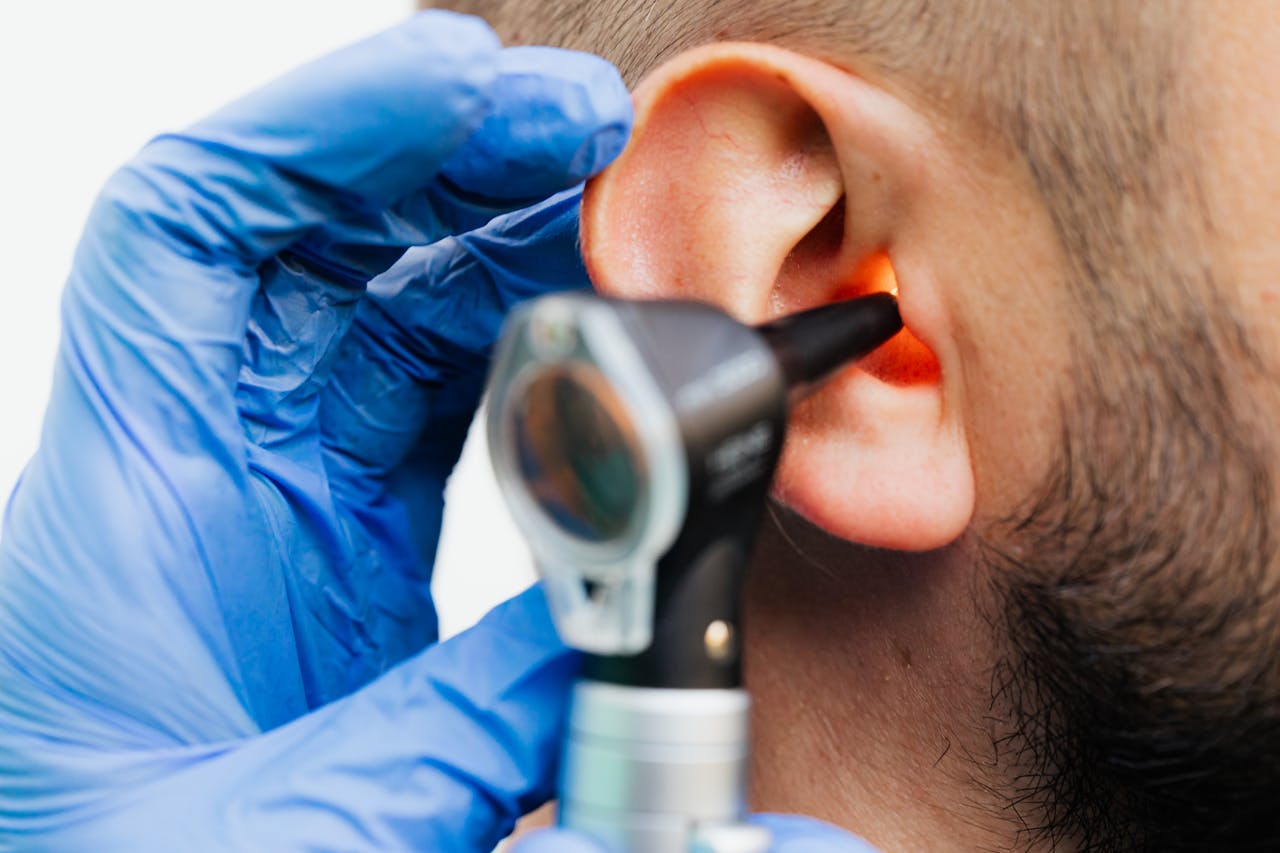
Conductive hearing loss occurs when sound cannot travel efficiently through the outer or middle ear. Common causes include ear wax build-up, glue ear, ear infections, or damage to the eardrum. Many cases can be treated medically or through ear wax removal.
Sensorineural Hearing Loss
Sensorineural hearing loss is the most common type of permanent hearing loss. It results from damage to the inner ear or auditory nerve and is often associated with ageing, prolonged noise exposure, genetics, or certain medical conditions.
Mixed Hearing Loss
Mixed hearing loss is a combination of conductive and sensorineural hearing loss. This means there are problems affecting both the middle ear and the inner ear.
Age-Related Hearing Loss
Also known as presbycusis, age-related hearing loss develops gradually over time. It commonly affects higher-pitched sounds first, making conversations more difficult to follow, particularly in noisy environments.
Noise-Induced Hearing Loss
Repeated exposure to loud noise can permanently damage the sensitive hair cells inside the inner ear. Wearing appropriate hearing protection can significantly reduce the risk of noise-induced hearing loss.
Personalised Treatment Plans
Benefits of Advanced Hearing Tests:
Accurate Diagnosis: Advanced testing provides a precise picture of your hearing health, enabling us to recommend the most effective treatment options.
Early Intervention: Early detection of hearing conditions allows for prompt intervention, potentially minimising its impact on your daily life.
Personalised Care: Based on your assessment results, we tailor a treatment plan that caters to your specific needs and preferences.
An advanced hearing test at Tranquil Hearing Care provides the most accurate insights into your auditory health. Our assessments go beyond standard or free hearing tests, using state-of-the-art diagnostic techniques to identify even subtle issues, allowing for early intervention and personalised treatment plans that address your unique hearing challenges.
Types of Hearing Loss
Conductive Hearing Loss
Mixed Hearing Loss
Conductive hearing loss occurs when sound cannot travel efficiently through the outer or middle ear. Common causes include ear wax build-up, glue ear, ear infections, or damage to the eardrum. Many cases can be treated medically or through ear wax removal.
Sensorineural Hearing Loss
Mixed hearing loss is a combination of conductive and sensorineural hearing loss. This means there are problems affecting both the middle ear and the inner ear.
Noise-Induced Hearing Loss
Also known as presbycusis, age-related hearing loss develops gradually over time. It commonly affects higher-pitched sounds first, making conversations more difficult to follow, particularly in noisy environments.
Age-Related Hearing Loss
Repeated exposure to loud noise can permanently damage the sensitive hair cells inside the inner ear. Wearing appropriate hearing protection can significantly reduce the risk of noise-induced hearing loss.
Sensorineural hearing loss is the most common type of permanent hearing loss. It results from damage to the inner ear or auditory nerve and is often associated with ageing, prolonged noise exposure, genetics, or certain medical conditions.
Signs You Should Book a Hearing Test
Hearing loss often develops gradually, making it difficult to notice at first. Booking a hearing test is recommended if you have noticed any of the following:
Turning the television up louder than other people prefer
Frequently asking others to repeat themselves
Difficulty following conversations in restaurants or busy places
Ringing or buzzing in the ears (tinnitus)
Feeling that people are mumbling
Missing parts of conversations
Struggling to hear on the telephone
Feeling tired after social events because concentrating on conversations requires extra effort
Early assessment allows any hearing changes to be identified before they have a significant impact on your daily life.

Signs You Should Book a Hearing Test
Hearing loss often develops gradually, making it difficult to notice at first. Booking a hearing test is recommended if you have noticed any of the following:
Turning the television up louder than other people prefer
Frequently asking others to repeat themselves
Difficulty following conversations in restaurants or busy places
Ringing or buzzing in the ears (tinnitus)
Feeling that people are mumbling
Missing parts of conversations
Struggling to hear on the telephone
Feeling tired after social events because concentrating on conversations requires extra effort
Early assessment allows any hearing changes to be identified before they have a significant impact on your daily life.
Signs You Should Book a Hearing Test
Hearing loss often develops gradually, making it difficult to notice at first. Booking a hearing test is recommended if you have noticed any of the following:
Turning the television up louder than other people prefer
Frequently asking others to repeat themselves
Difficulty following conversations in restaurants or busy places
Ringing or buzzing in the ears (tinnitus)
Feeling that people are mumbling
Missing parts of conversations
Struggling to hear on the telephone
Feeling tired after social events because concentrating on conversations requires extra effort
Early assessment allows any hearing changes to be identified before they have a significant impact on your daily life.
Types of Hearing Loss
Conductive Hearing Loss
Sensorineural Hearing Loss
Conductive hearing loss occurs when sound cannot travel efficiently through the outer or middle ear. Common causes include ear wax build-up, glue ear, ear infections, or damage to the eardrum. Many cases can be treated medically or through ear wax removal.
Mixed Hearing Loss
Mixed hearing loss is a combination of conductive and sensorineural hearing loss. This means there are problems affecting both the middle ear and the inner ear.
Age-Related Hearing Loss
Also known as presbycusis, age-related hearing loss develops gradually over time. It commonly affects higher-pitched sounds first, making conversations more difficult to follow, particularly in noisy environments.
Noise-Induced Hearing Loss
Repeated exposure to loud noise can permanently damage the sensitive hair cells inside the inner ear. Wearing appropriate hearing protection can significantly reduce the risk of noise-induced hearing loss.
Sensorineural hearing loss is the most common type of permanent hearing loss. It results from damage to the inner ear or auditory nerve and is often associated with ageing, prolonged noise exposure, genetics, or certain medical conditions.
Personalised Treatment Plans
Benefits of Advanced Hearing Tests:
Accurate Diagnosis: Advanced testing provides a precise picture of your hearing health, enabling us to recommend the most effective treatment options.
Early Intervention: Early detection of hearing conditions allows for prompt intervention, potentially minimising its impact on your daily life.
Personalised Care: Based on your assessment results, we tailor a treatment plan that caters to your specific needs and preferences..
An advanced hearing test at Tranquil Hearing Care provides the most accurate insights into your auditory health. Our assessments go beyond standard or free hearing tests, using state-of-the-art diagnostic techniques to identify even subtle issues, allowing for early intervention and personalised treatment plans that address your unique hearing challenges.
Understanding Auditory Processing Disorder
Auditory Processing Disorder (APD) is a condition where the brain struggles to process and interpret sounds correctly, despite normal hearing ability. Individuals with APD may hear sounds clearly, but their brain has difficulty making sense of the information, especially in environments with background noise or when multiple speakers are involved. This can lead to challenges in understanding spoken language, following instructions, or distinguishing between similar sounds.
In children, APD often manifests as difficulty in school, where they may seem inattentive, have trouble following verbal instructions, or struggle with reading and spelling. These difficulties can sometimes be mistaken for learning disabilities or attention disorders, but APD specifically relates to how the brain processes auditory information. Early diagnosis and intervention are crucial in helping children develop coping strategies and improve their auditory processing skills.
Adults with APD may experience challenges in social settings or at work, where following conversations or instructions can become overwhelming, particularly in noisy environments. Some adults may have had the disorder since childhood but were never diagnosed, while others can develop APD later in life due to brain injuries, ageing, or neurological conditions. With proper testing and tailored strategies, individuals with APD can improve their ability to process auditory information.
Pure Tone Audiometry Explained
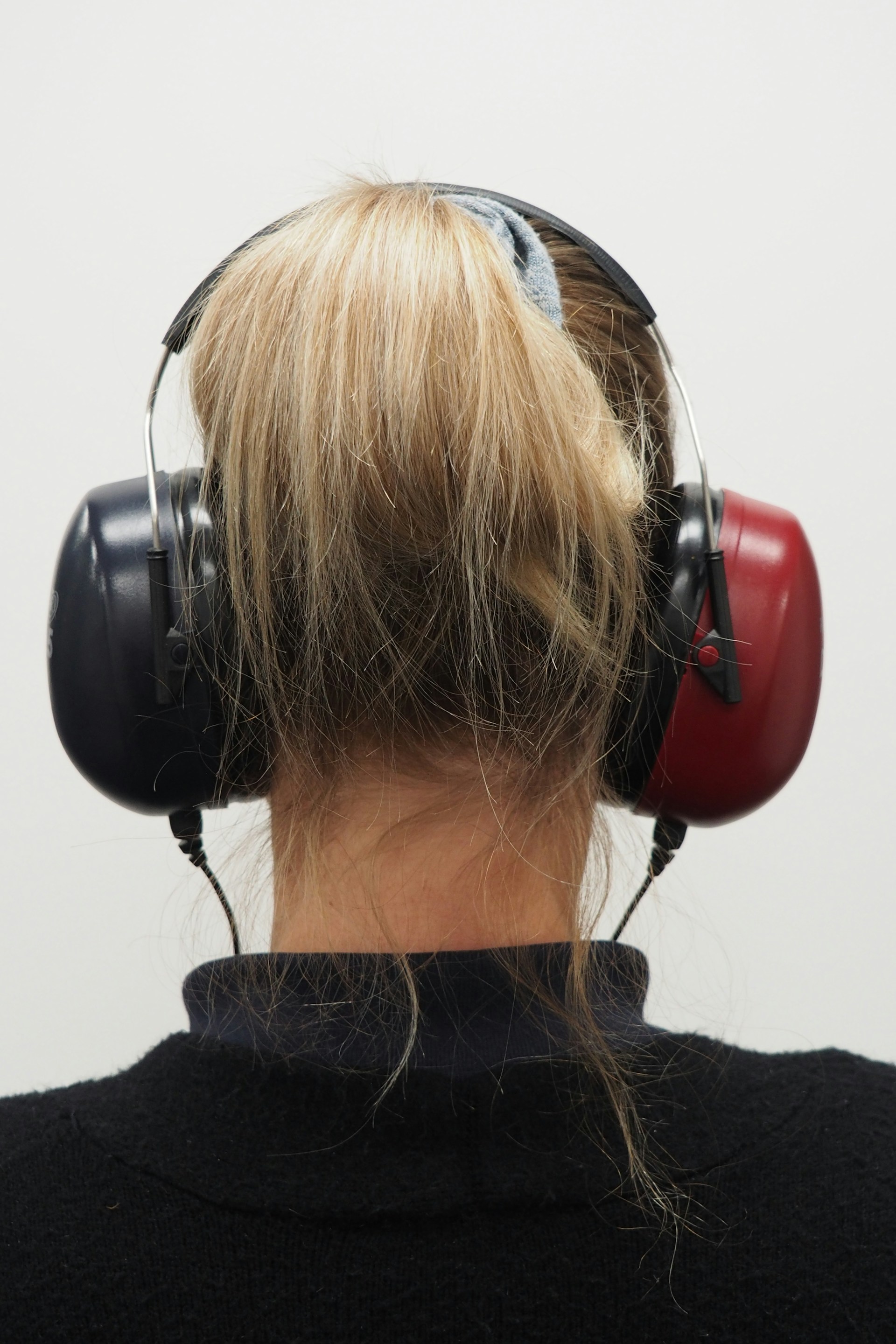
Pure Tone Audiometry (PTA) is a crucial test for accurately measuring your hearing ability across different sound frequencies. During the test, you'll wear headphones and listen to a series of tones at various pitches and volumes. The goal is to determine the quietest sounds you can hear at each frequency, which helps identify the degree and type of hearing loss you may have. PTA is a painless and non-invasive procedure that provides essential data on your auditory health.
Once the PTA test is complete, our expert audiologist will carefully analyse the results to pinpoint any areas of hearing loss or auditory sensitivity. This information allows us to tailor a treatment plan specific to your needs, whether it involves hearing aids, sound therapy, or further medical evaluation. By addressing hearing issues early, you can preserve your hearing health and improve your quality of life.
What Happens If Hearing Loss Is Identified?
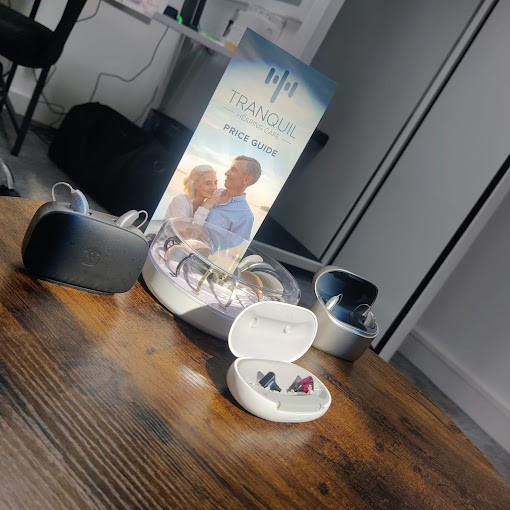
During your hearing test at Tranquil Hearing Care, we go beyond simply diagnosing your hearing challenges. If our tests reveal that you are a candidate for hearing aids, we offer a unique opportunity to experience the benefits first-hand. As part of your assessment, our audiologist will demonstrate a range of hearing aids, programmed to match your specific hearing loss. This allows you to immediately hear the difference that hearing aids can make, giving you a clearer understanding of how they can improve your day-to-day life.
To ensure your hearing aids are comfortable and effective, we take precise measurements of your ear for a perfect fit. Our advanced fitting techniques ensure that your hearing aids not only feel comfortable, but also function optimally. We also offer a variety of hearing aid types and styles, from discreet in-ear devices to behind-the-ear models, so you can choose the option that best suits your lifestyle and preferences.
Once your hearing aids are programmed and fitted, we’ll guide you through how to use and maintain them. With multiple options available, our audiologist will help you make an informed decision based on your specific hearing needs, ensuring you leave the appointment with confidence and a clear path toward better hearing.
Understanding Auditory Processing Disorder
Auditory Processing Disorder (APD) is a condition where the brain struggles to process and interpret sounds correctly, despite normal hearing ability. Individuals with APD may hear sounds clearly, but their brain has difficulty making sense of the information, especially in environments with background noise or when multiple speakers are involved. This can lead to challenges in understanding spoken language, following instructions, or distinguishing between similar sounds.
In children, APD often manifests as difficulty in school, where they may seem inattentive, have trouble following verbal instructions, or struggle with reading and spelling. These difficulties can sometimes be mistaken for learning disabilities or attention disorders, but APD specifically relates to how the brain processes auditory information. Early diagnosis and intervention are crucial in helping children develop coping strategies and improve their auditory processing skills.
Adults with APD may experience challenges in social settings or at work, where following conversations or instructions can become overwhelming, particularly in noisy environments. Some adults may have had the disorder since childhood but were never diagnosed, while others can develop APD later in life due to brain injuries, ageing, or neurological conditions. With proper testing and tailored strategies, individuals with APD can improve their ability to process auditory information.
Pure Tone Audiometry Explained
Pure Tone Audiometry (PTA) is a crucial test for accurately measuring your hearing ability across different sound frequencies. During the test, you'll wear headphones and listen to a series of tones at various pitches and volumes. The goal is to determine the quietest sounds you can hear at each frequency, which helps identify the degree and type of hearing loss you may have. PTA is a painless and non-invasive procedure that provides essential data on your auditory health.
Once the PTA test is complete, our expert audiologist will carefully analyse the results to pinpoint any areas of hearing loss or auditory sensitivity. This information allows us to tailor a treatment plan specific to your needs, whether it involves hearing aids, sound therapy, or further medical evaluation. By addressing hearing issues early, you can preserve your hearing health and improve your quality of life.

What Does Tympanometry Measure?
Tympanometry is a valuable test that assesses the health and function of your middle ear, including the eardrum and the space behind it. This test measures how your eardrum responds to slight changes in air pressure, helping to detect issues such as fluid build-up, ear infections, perforations, or blockages such as earwax. Tympanometry is quick, painless, and provides important insights into conditions that can affect your hearing without directly testing your ability to hear.
After the tympanometry test, our audiologist reviews the results to identify any potential issues with your middle ear. If problems like fluid build-up, eardrum damage, or Eustachian tube dysfunction are detected, we can recommend appropriate treatments, such as medical intervention, drainage, or further monitoring. If excess earwax is causing a blockage, we can remove this using microsuction. Identifying these issues early helps ensure that they don’t progress into more serious conditions and supports better overall ear health.
What Happens If Hearing Loss Is Identified?
During your hearing test at Tranquil Hearing Care, we go beyond simply diagnosing your hearing challenges. If our tests reveal that you are a candidate for hearing aids, we offer a unique opportunity to experience the benefits first-hand. As part of your assessment, our audiologist will demonstrate a range of hearing aids, programmed to match your specific hearing loss. This allows you to immediately hear the difference that hearing aids can make, giving you a clearer understanding of how they can improve your day-to-day life.
To ensure your hearing aids are comfortable and effective, we take precise measurements of your ear for a perfect fit. Our advanced fitting techniques ensure that your hearing aids not only feel comfortable, but also function optimally. We also offer a variety of hearing aid types and styles, from discreet in-ear devices to behind-the-ear models, so you can choose the option that best suits your lifestyle and preferences.
Once your hearing aids are programmed and fitted, we’ll guide you through how to use and maintain them. With multiple options available, our audiologist will help you make an informed decision based on your specific hearing needs, ensuring you leave the appointment with confidence and a clear path toward better hearing.
Pure Tone Audiometry Explained
Pure Tone Audiometry (PTA) is a crucial test for accurately measuring your hearing ability across different sound frequencies. During the test, you'll wear headphones and listen to a series of tones at various pitches and volumes. The goal is to determine the quietest sounds you can hear at each frequency, which helps identify the degree and type of hearing loss you may have. PTA is a painless and non-invasive procedure that provides essential data on your auditory health.
Once the PTA test is complete, our expert audiologist will carefully analyse the results to pinpoint any areas of hearing loss or auditory sensitivity. This information allows us to tailor a treatment plan specific to your needs, whether it involves hearing aids, sound therapy, or further medical evaluation. By addressing hearing issues early, you can preserve your hearing health and improve your quality of life.
What Happens If Hearing Loss Is Identified?
During your hearing test at Tranquil Hearing Care, we go beyond simply diagnosing your hearing challenges. If our tests reveal that you are a candidate for hearing aids, we offer a unique opportunity to experience the benefits first-hand. As part of your assessment, our audiologist will demonstrate a range of hearing aids, programmed to match your specific hearing loss. This allows you to immediately hear the difference that hearing aids can make, giving you a clearer understanding of how they can improve your day-to-day life.
To ensure your hearing aids are comfortable and effective, we take precise measurements of your ear for a perfect fit. Our advanced fitting techniques ensure that your hearing aids not only feel comfortable, but also function optimally. We also offer a variety of hearing aid types and styles, from discreet in-ear devices to behind-the-ear models, so you can choose the option that best suits your lifestyle and preferences.
Once your hearing aids are programmed and fitted, we’ll guide you through how to use and maintain them. With multiple options available, our audiologist will help you make an informed decision based on your specific hearing needs, ensuring you leave the appointment with confidence and a clear path toward better hearing.
Book Your Hearing Test in Hoddesdon
Whether you're concerned about changes in your hearing, would like a comprehensive hearing assessment, or want expert advice on hearing aids, Tranquil Hearing Care is here to help. Our experienced audiologist will take the time to understand your concerns, explain your results clearly, and recommend the most appropriate next steps.
Book your hearing test online today or contact our friendly team to arrange an appointment at our Hoddesdon clinic.

© 2024 | Tranquil Hearing Care
6a Limes Court
Hoddesdon
EN11 8EP
Opening Hours:
Mon-Fri: 08:00-17:30
Sat: 08:00-13:00
© 2024 | Tranquil Hearing Care
6a Limes Court
Hoddesdon
EN11 8EP
Opening Hours:
Mon-Fri: 08:00-17:30
Sat: 08:00-13:00