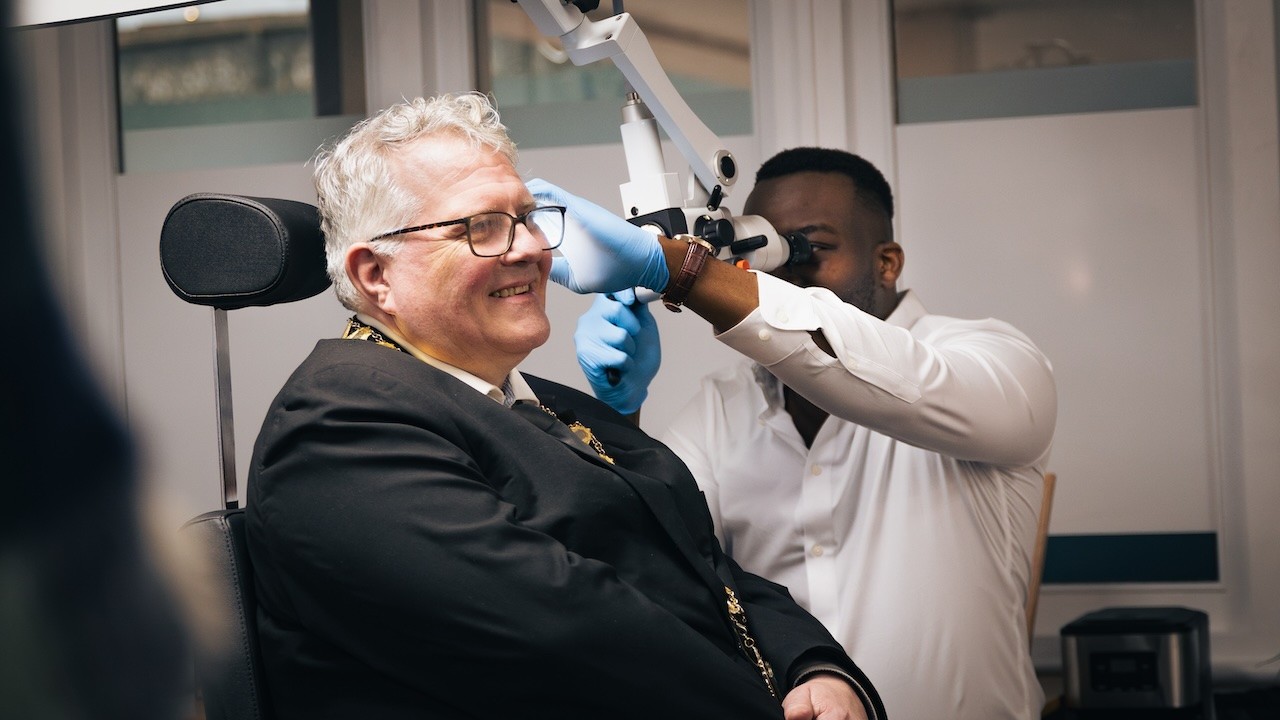
What is the difference between an audiologist and an ENT consultant?
Navigating the world of ear health can be confusing, especially when you are faced with a range of specialists and medical jargon. For many residents in Hoddesdon, the first instinct when experiencing a change in hearing or ear discomfort is to seek professional help, but knowing which door to knock on first is key to getting the right treatment.
While both audiologists and Ear, Nose, and Throat (ENT) consultants deal with the ears, their training, tools, and the conditions they treat are distinct. Understanding these roles ensures that you receive the most effective care for your specific symptoms without unnecessary delays.
The Role of the Audiologist
An audiologist is a healthcare professional who focuses on the assessment of ear health and nonmedical management of hearing loss, tinnitus, and ear wax buildup.
Their expertise lies in the technology and rehabilitation side of the ear.
The ENT Consultant
An ENT consultant (also known as an otolaryngologist) is a surgically trained medical doctor. Their focus is on medical and surgical conditions affecting the ears, nose, and throat. They deal with diseases, infections, and physical abnormalities that might require medical intervention or surgery.
If a hearing problem can be fixed with a prescription or a scalpel, it generally falls under the remit of an ENT.
Should I See an ENT or an Audiologist?
This is a question we’re often asked in our Hoddesdon clinic. The right professional depends on the symptoms you’re experiencing.
When to See Your GP
Your GP is often the first point of contact, particularly if you are experiencing new or uncomfortable symptoms. It’s sensible to book an appointment if you have:
Ear pain or tenderness
Dizziness or balance problems
A feeling of pressure in the ear
Sudden changes in hearing or loss of hearing in one ear
Signs of infection such as fever or discharge
A GP can examine your ears to rule out infections and inflammation. They may also identify common issues such as ear wax build-up, which can then be removed safely by an audiologist using microsuction.
If your GP suspects something more complex, such as a structural problem or persistent infection, they can refer you to an Ear, Nose and Throat (ENT) specialist for further investigation.
You should see an Audiologist if you need support with:
Audiologists focus on hearing health, testing, and rehabilitation. You may benefit from seeing an audiologist for:
Ear wax build-up and microsuction removal
Getting a baseline of your hearing
Diagnosis and treatment for hearing loss, including hearing aids
Testing for Auditory Processing Disorder (APD)
Assessment and management of tinnitus
Advice and provision of hearing protection
Audiologists assess how well you hear, explain your results clearly, and provide practical solutions to improve communication and everyday listening.
You should see an ENT specialist if you have:
ENT doctors manage medical and surgical conditions affecting the ear. You may be referred to an ENT for:
Hearing loss requiring medical investigation
Glue ear (middle ear fluid)
Vertigo or significant balance disorders
Recurring ear infections
A perforated eardrum
Suspected tumours
Ear reconstruction following trauma or cancer
ENT specialists are trained to diagnose and treat structural, infectious, and more serious ear conditions.
Working Together for Your Ear Health
GPs, ENTs and audiologists often work alongside one another. An audiologist may identify something during testing that requires medical input and refer you onward. Equally, an ENT may treat a medical condition and then recommend a hearing assessment to check for any lasting impact on your hearing.
If you are unsure where to start, booking with your GP is sensible, and if your concern relates to hearing clarity, ear wax, tinnitus or hearing protection, an audiology appointment is usually appropriate.
Why Local Expertise Matters
Choosing a local specialist in Hoddesdon means having a consistent point of contact for your hearing journey. Hearing health isn't a one-off appointment; it's an ongoing process of adjustments and monitoring. An audiologist can provide ongoing monitoring and support to ensure that as your hearing changes, your support system changes with it.
Book an Appointment with an Audiologist
If you would like to speak with an audiologist about your hearing, ear health, tinnitus, or hearing protection, we are here to help. Our appointments are thorough, unhurried, and focused on giving you clear answers and practical next steps.
You can book an appointment online at a time that suits you, or get in touch with the clinic if you would prefer to speak to someone first.