How to Remove Ear Wax Safely and When to See a Professional
Most people only think about ear wax when their ears start feeling blocked or uncomfortable. It is one of those everyday body functions that works quietly in the background until something goes slightly wrong. Ear wax is not actually dirt, even though it often gets treated like something that needs scrubbing away.
It is a natural substance made up of secretions from glands in the ear canal, shed skin cells and other material, and it plays an important role in protecting and lubricating the ear canal. Without sufficient wax, the delicate skin inside the ear can become dry and irritated. In most people, the ears are remarkably good at managing wax themselves, with natural skin migration and everyday jaw movements gradually helping to move old wax towards the opening of the ear.
Are Home Remedies Safe for Removing Ear Wax?
When ears feel slightly full, the immediate instinct for many people is to grab a cotton bud. It might feel like a logical fix, but cotton buds aren't designed to remove wax from inside the ear canal and can easily push it further in, creating a more stubborn blockage. Inserting items such as hairpins, paperclips or other objects is even more dangerous, as these can scratch the delicate lining of the ear canal or damage the eardrum.
If you have mild wax build-up, olive oil ear drops or spray can be used to soften the wax and encourage its natural removal. Follow the instructions provided with the product or advice given by your audiologist, pharmacist or GP.
You should seek professional advice before using ear drops if you know or suspect that you have a perforated eardrum or have previously undergone certain types of ear surgery.
When Should You See a Professional About Ear Wax?
Home management doesn't always solve the problem, particularly when wax has become impacted and formed a significant blockage.
One of the most noticeable symptoms is muffled or reduced hearing. You may also experience a feeling of fullness or pressure in the ear, itching, discomfort, or ringing or buzzing known as tinnitus.
You may temporarily feel more blocked or notice that your hearing seems worse after starting ear drops as the wax softens. However, significant ear pain, discharge, bleeding, sudden hearing loss or persistent dizziness shouldn't automatically be attributed to ear wax. These symptoms should be medically assessed so that other possible causes can be investigated.
How Does Microsuction Ear Wax Removal Work?
At Tranquil Hearing Care in Hoddesdon, we provide professional microsuction ear wax removal carried out by an experienced audiologist.
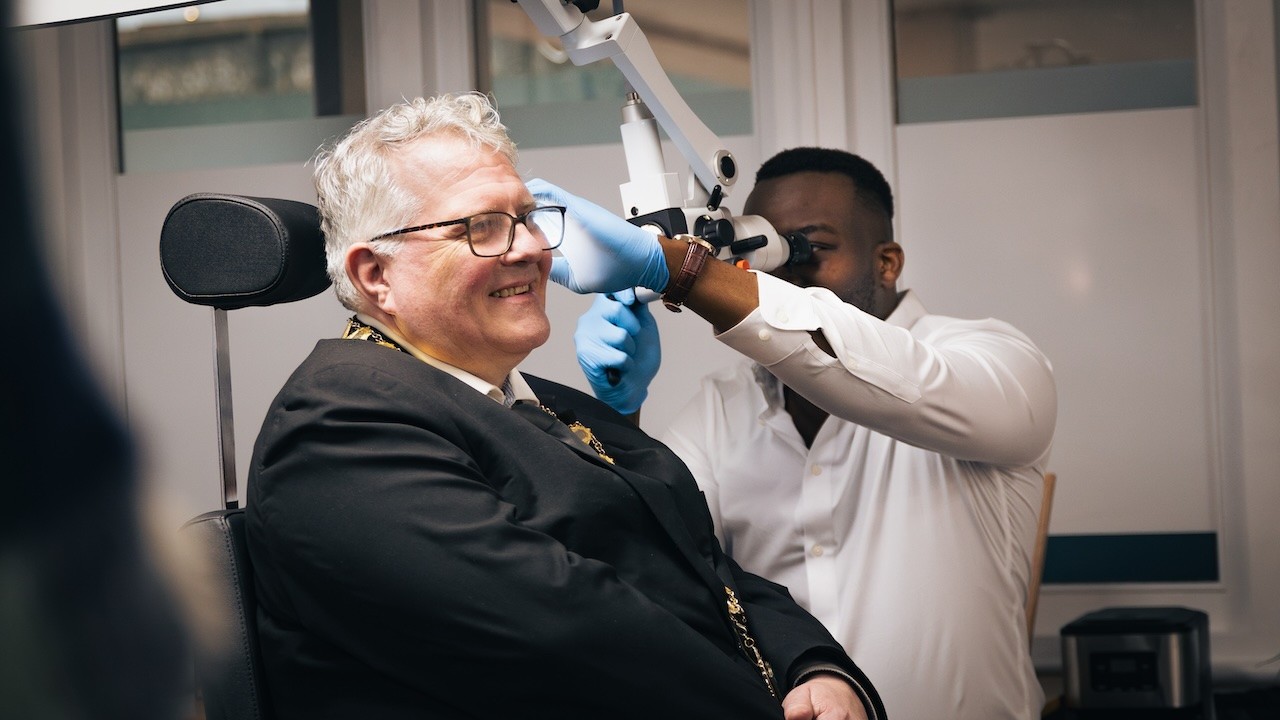
Microsuction is a dry method of removing ear wax. Rather than flushing the ear canal with water, the audiologist examines the ear under magnification and uses a fine suction device to carefully remove the blockage.
Being able to see inside the ear throughout the procedure allows the audiologist to work precisely and monitor the ear canal as the wax is removed. Because no water is introduced into the ear, microsuction can also be suitable in circumstances where irrigation may not be recommended.
The procedure is generally quick and well tolerated. You will hear the suction equipment working and may occasionally experience some brief discomfort, particularly if the wax is very hard or impacted. If wax was responsible for muffled hearing or a blocked sensation, removing it can provide noticeable relief.
Should I Soften Ear Wax Before Microsuction?
Softening particularly hard or impacted wax before your appointment can make microsuction easier and more comfortable.
Olive oil drops or spray are commonly used for this purpose. Your audiologist can advise you on whether you should soften the wax beforehand and how long to use the product for.
Avoid trying to manually remove the wax yourself before your appointment. Cotton buds and other objects can push the blockage deeper, potentially making professional removal more difficult.
What If My Symptoms Aren't Caused by Ear Wax?
Blocked or muffled hearing isn't always caused by wax. Ear infections, Eustachian tube dysfunction, tinnitus and different types of hearing loss can produce similar symptoms.
Having your ears professionally examined can therefore be useful when you're unsure what is causing the problem. If wax isn't responsible for your symptoms, an audiologist can explain what they have found and advise whether a hearing assessment or medical investigation would be an appropriate next step.
Book Microsuction Ear Wax Removal in Hoddesdon
If blocked or impacted ear wax is affecting your hearing or making your ears uncomfortable, you can book a microsuction ear wax removal appointment at Tranquil Hearing Care in Hoddesdon.
Your ears will be professionally examined before the wax is carefully removed using microsuction, giving you the reassurance that your ears are being treated by an experienced audiologist.
If you'd also like to understand more about your hearing, Tranquil Hearing Care offers an Ear Health Assessment, which combines microsuction ear wax removal with a medical and hearing history review and a 4-point audiogram to provide a baseline check of your hearing.